Designing a Smarter Travel Booking Experience for Perfetto
UX/UI Design
Web design
A Comprehensive Case Study on Innovative Solutions for Seamless Vacation Planning
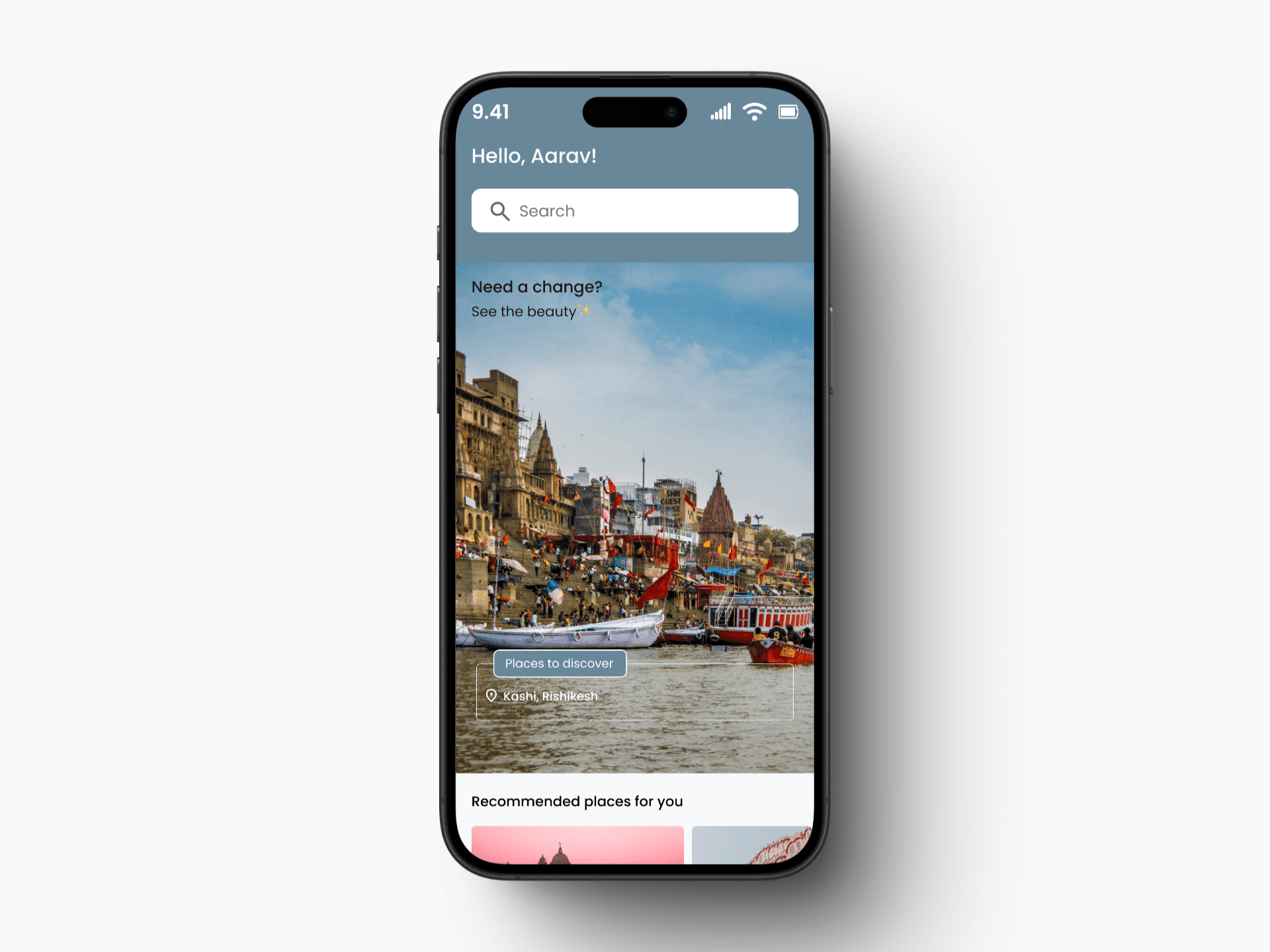

Designing a Smarter Travel Booking Experience for Perfetto
THE CLIENT
Perfetto is an Italy based travel management company that helps travel agents and businesses plan, book, and manage personalised travel experiences.
It works with travel agents, suppliers, and internal teams to manage the entire travel journey from itinerary planning and bookings to operations, customer support, and payments. The platform replaces manual processes like emails and spreadsheets with a centralised system, making collaboration easier, reducing errors, and improving the overall travel management experience.
OUR ROLE
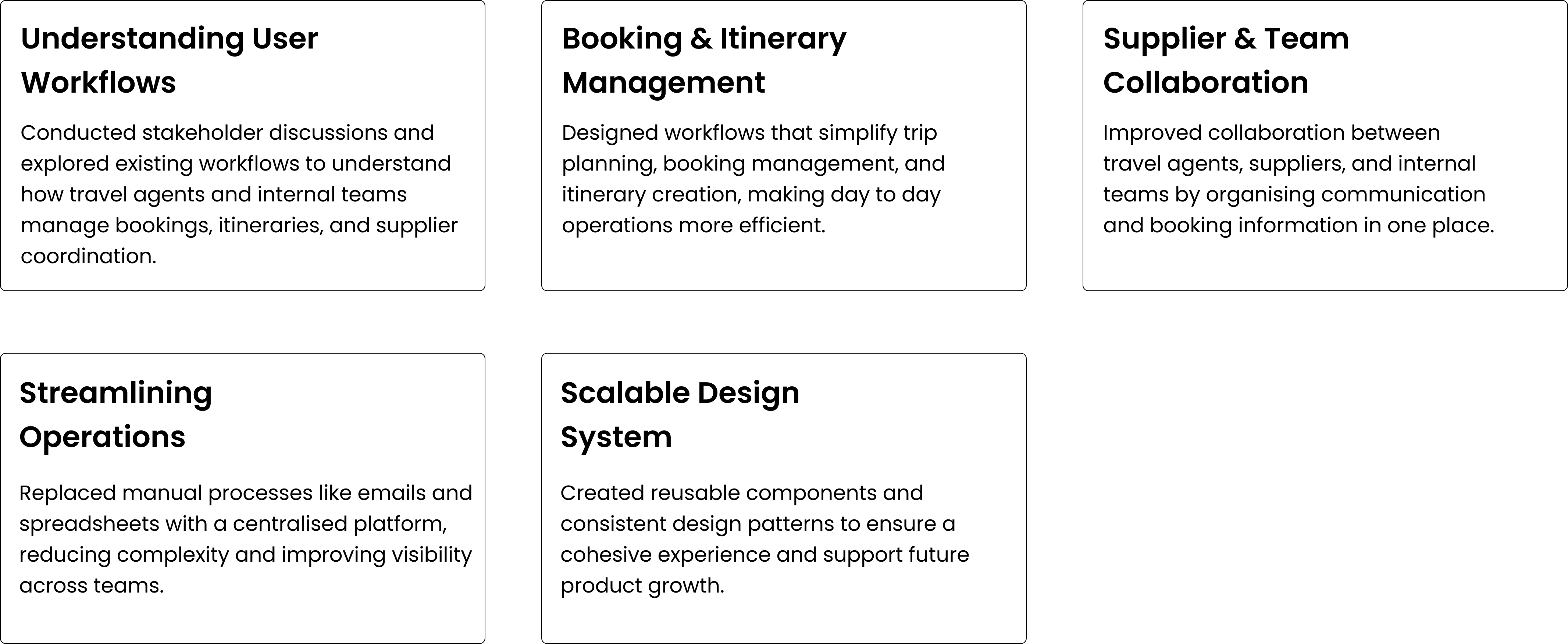
Our team designed a centralised travel management platform that helps travel agents and internal teams plan trips, manage bookings, coordinate with suppliers, and collaborate more efficiently.
AT A GLANCE
CHALLENGE
Managing travel bookings involved multiple teams, suppliers, and manual processes spread across emails and spreadsheets. As trips became more complex, it became harder to track bookings, coordinate tasks, and keep everyone aligned. We saw an opportunity to simplify these workflows by creating a centralised platform that made collaboration faster, more organised, and easier for every team.

RESEARCH GOAL
Understand how travel agents and internal teams manage bookings, itineraries, and supplier coordination, and identify opportunities to simplify workflows, improve collaboration, and reduce manual effort.
RESEARCH METHODOLOGY
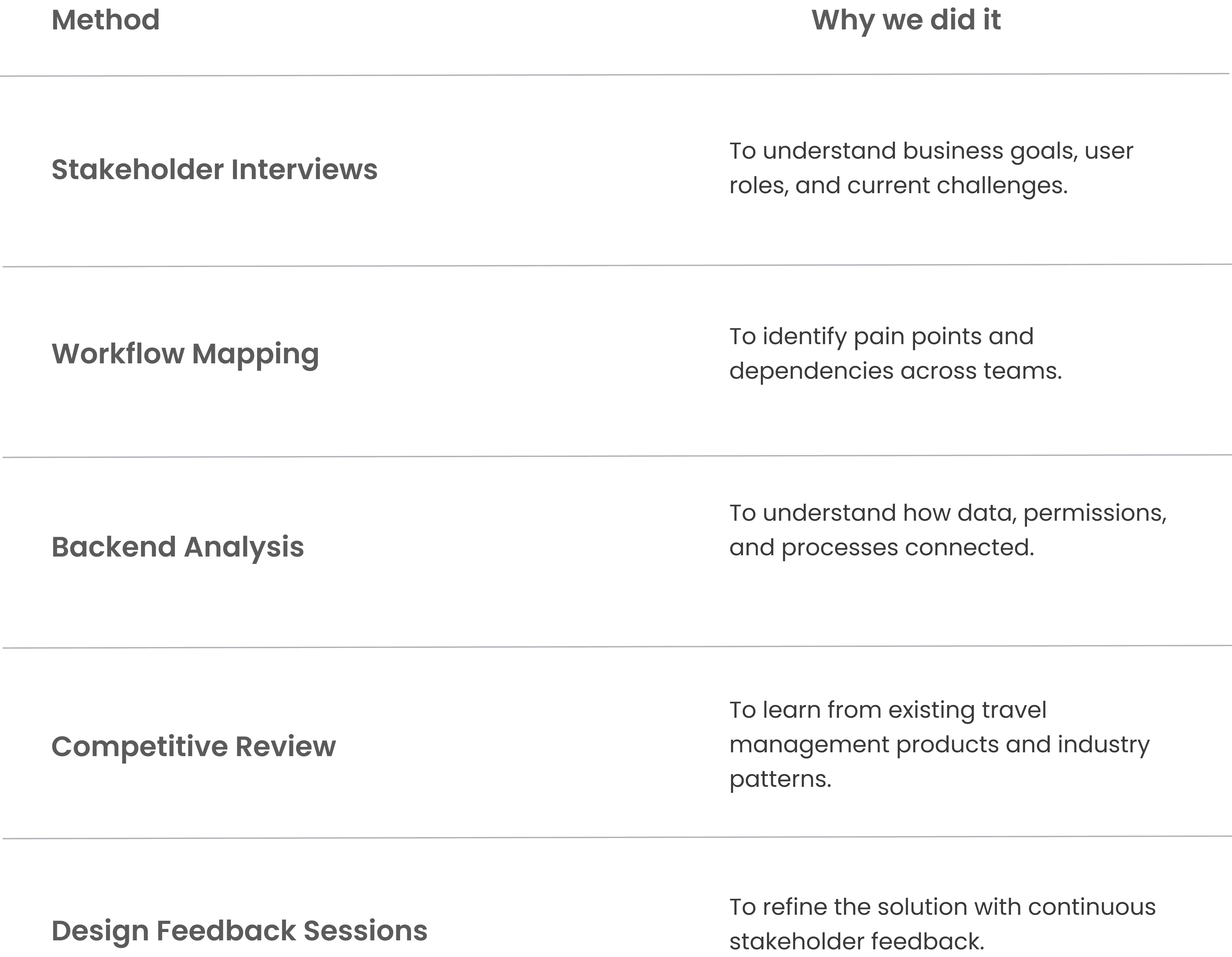
We combined business discovery with workflow analysis to understand how travel operations worked.
Research was conducted through stakeholder discussions, backend mapping, workflow analysis, and regular design reviews. These insights helped us understand user needs, identify operational challenges, and design a centralised travel management platform that supports multiple teams.
UNDERSTANDING THE EXISTING SYSTEM
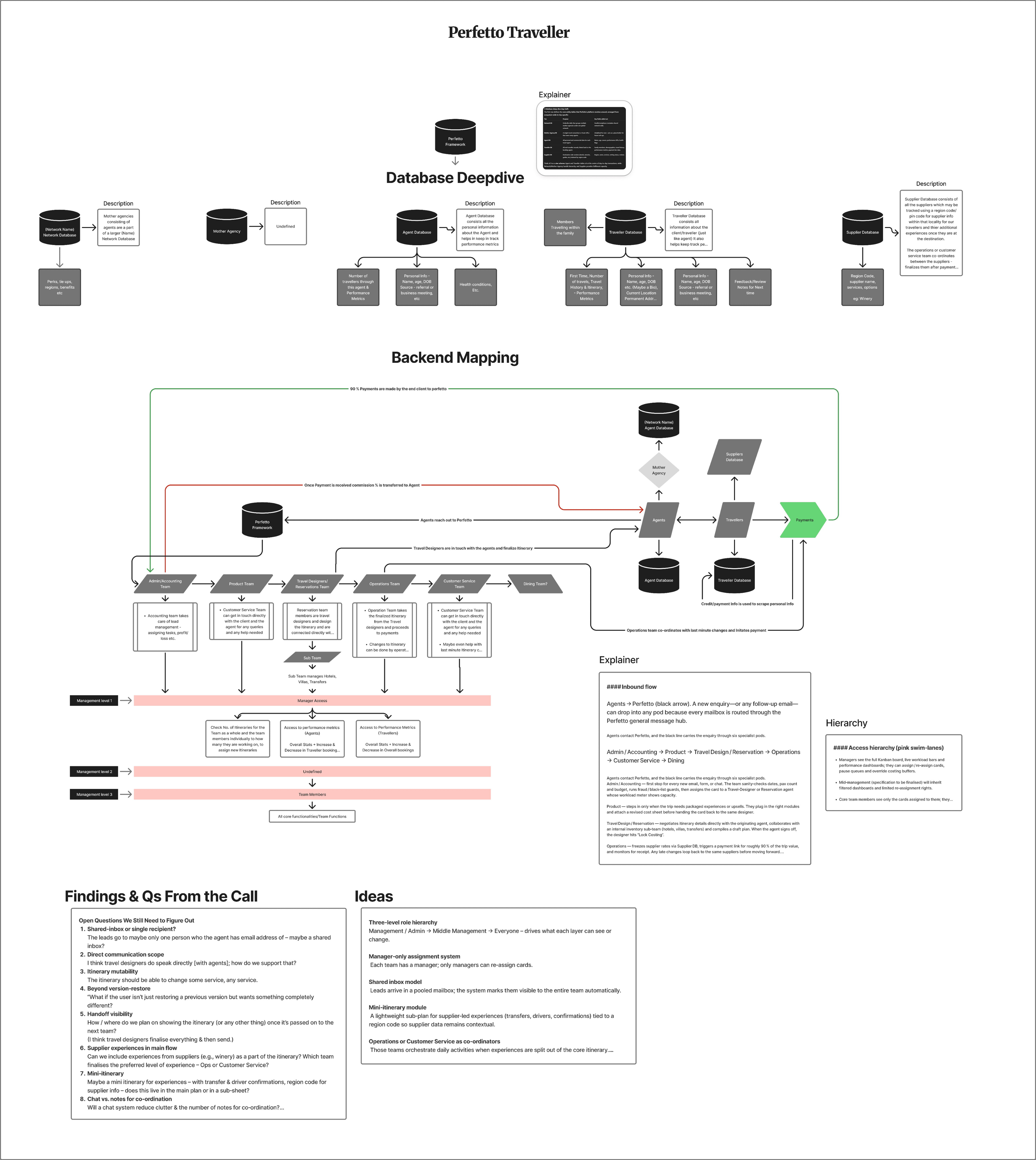
Before designing any screens, I collaborated with the product team to understand how the platform worked behind the scenes. I mapped the databases, user roles, team workflows, and backend processes to understand how information flowed across the system.
Before designing any screens, I collaborated with the product team to understand how the platform worked behind the scenes. I mapped the databases, user roles, team workflows, and backend processes to understand how information flowed across the system.
This exercise helped me:
Understand the relationships between travel agents, travellers, suppliers, and internal teams.
Identify dependencies between different modules and workflows.
Discover opportunities to simplify complex processes before starting the UI design.
KEY INSIGHTS
Teams struggled to manage travel operations because information was spread across multiple tools.
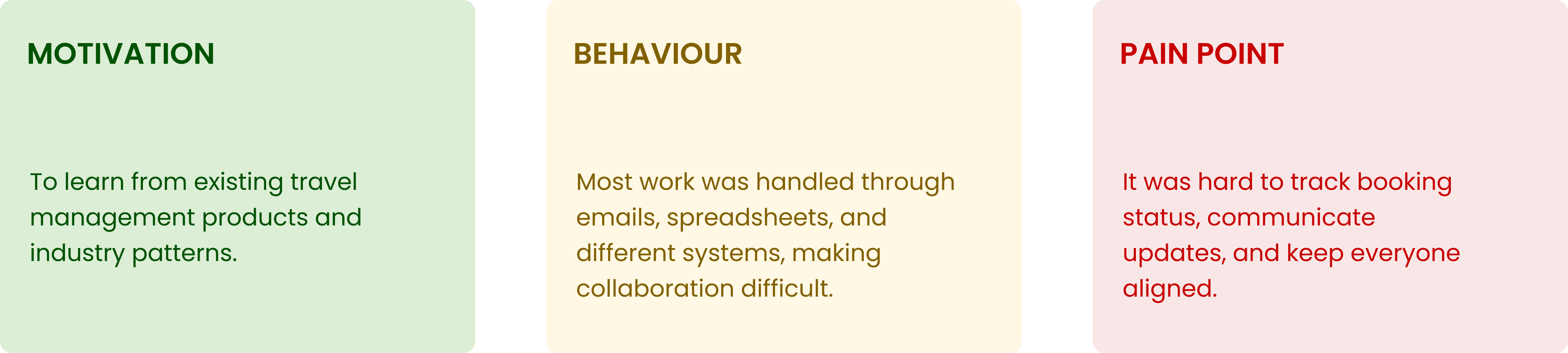
Different teams needed different information, but everyone depended on the same workflow.
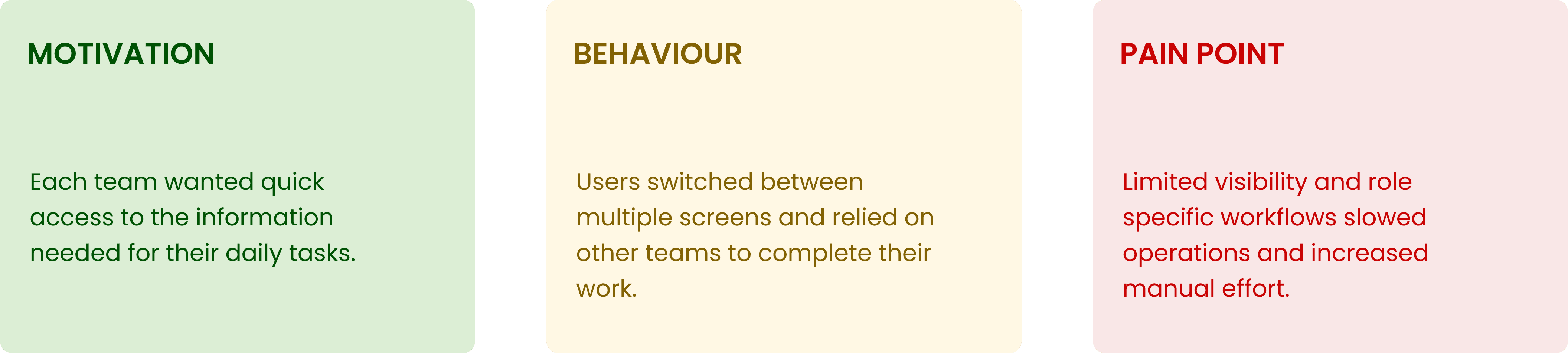
Managing multiple bookings required better visibility and organisation.
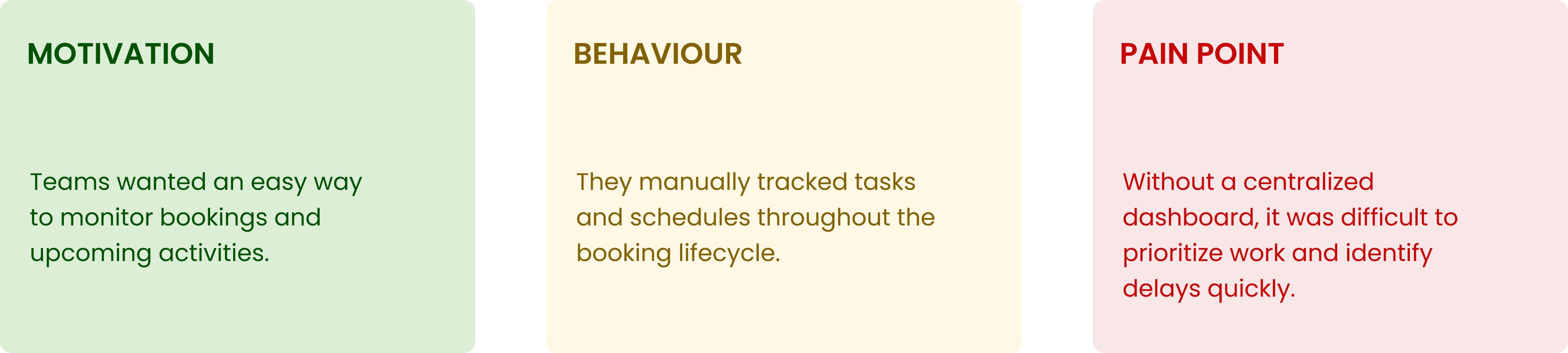

OPPORTUNITY EXPLORATION
Research revealed opportunities to simplify travel operations by bringing people, processes, and information together in one platform.
Specifically, we identified opportunities to:
Improve dashboard visibility so teams can quickly track bookings, tasks, and trip progress.Create role based experiences that show each team only the information they need.
Simplify booking and itinerary workflows to reduce manual effort and improve collaboration.
Centralise communication and supplier coordination to replace scattered emails and spreadsheets.
Design reusable components and consistent workflows to support future product growth.
SOLUTION SELECTION
Research confirmed that the biggest opportunity was to simplify travel operations by bringing bookings, tasks, and communication into one centralised platform. This aligned with the product vision and helped prioritize features that would improve collaboration across teams.
We focused on streamlined booking workflows, and a centralised workspace to help teams manage trips more efficiently while reducing manual work.
BENCHMARKING
We explored existing travel management platforms to understand how they handle bookings, itineraries, and team collaboration.
To identify best practices and design opportunities, we reviewed travel management and booking platforms that support internal operations and multi team workflows.
We observed how different platforms organise bookings, tasks, and itineraries.
We compared dashboard layouts, navigation patterns, and role based experiences.
We studied how teams collaborate, assign work, and track booking progress.
We identified opportunities to simplify workflows and create a more consistent, user-friendly experience.
EVALUATIVE RESEARCH
Before finalising the solution, we validated our designs with stakeholders to ensure they aligned with real business workflows and user needs.
Throughout the design process, we shared wireframes and prototypes with product managers, business analysts, and stakeholders to gather feedback and refine the experience.
The sessions focused on validating whether the proposed workflows supported daily travel operations, reduced manual effort, and improved collaboration between teams.Key areas we validated included:
Dashboard layout and information hierarchy.
Booking and itinerary management workflows.
Role based access and permissions.
Task assignment and team collaboration.
Navigation and overall usability.
The feedback helped us simplify complex workflows, improve visibility across teams, and ensure the platform met both business and user requirements.
RESULTS
Managing daily work was time consuming
Teams spent extra time switching between different screens to manage bookings and customer requests.
Finding the right information quickly was difficult during busy hours.
The dashboard needed better organisation
Important actions and booking details were spread across different sections.
Users wanted a cleaner layout so they could complete tasks faster with fewer clicks.
Users expected a simpler workflow
They wanted common tasks like creating, updating, and tracking bookings to be more straightforward.
A more organized dashboard helped reduce confusion and improved efficiency.